Work-life Balance is Disappearing: Here’s What Founders Can Do About It

If it feels like work never really stops anymore, it’s because in some ways, it doesn’t. Most people wake up to notifications, spend the day bouncing between meetings and messages, and end up checking in again long after dinner.

That kind of pace isn’t new in startup life. Building something from scratch means doing whatever it takes: long hours, late nights, wearing every hat at once. But when urgency becomes the default (even after the launch dust has settled), it turns into something more damaging: an always-on culture that kills focus and crowds out long-term thinking.

In this article, we’re digging into Microsoft’s latest Work Trend Index to unpack why work-life balance is slipping and how founders can reset the rhythm before burnout becomes business as usual.

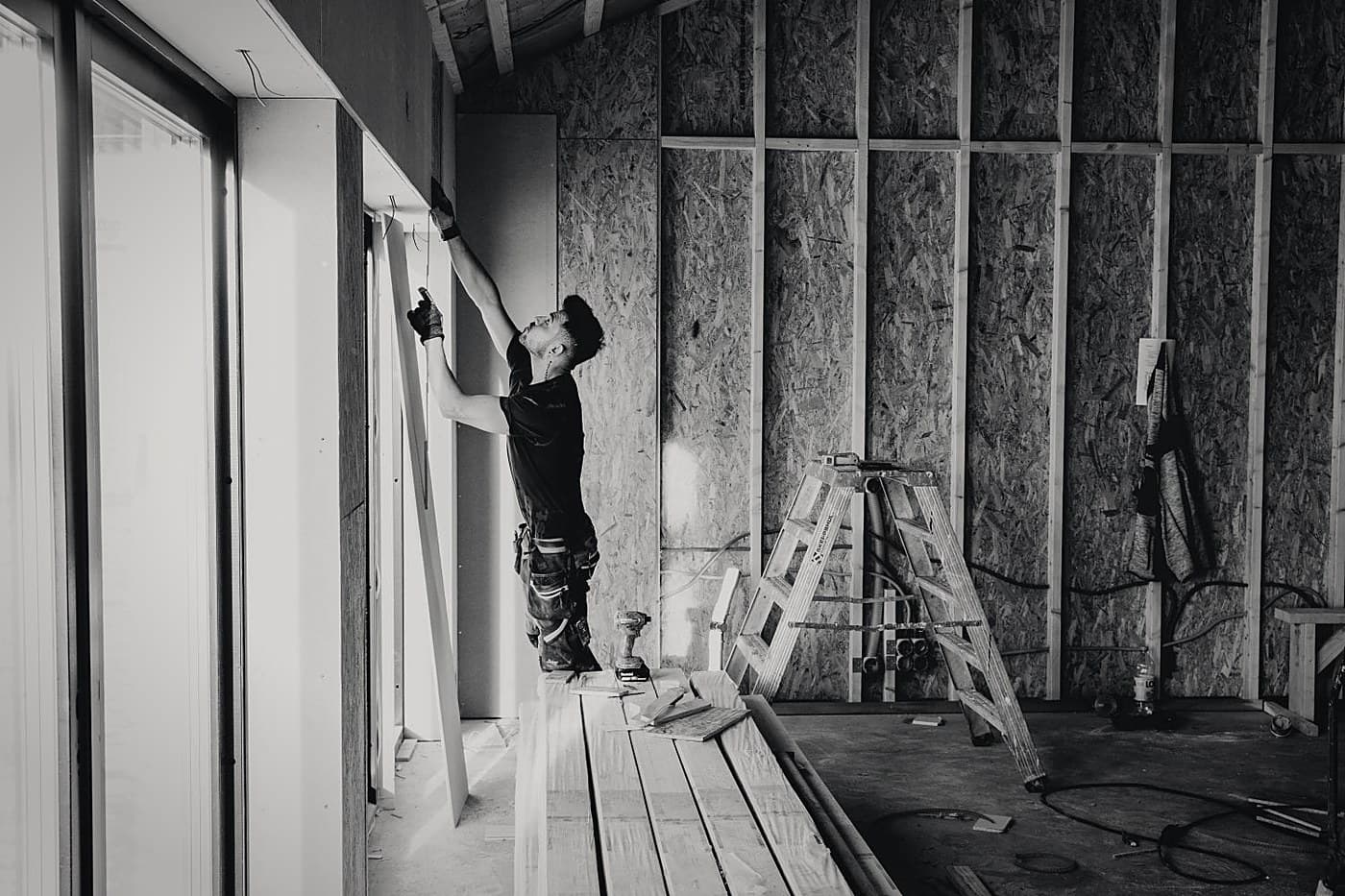
founders discussing work life balance

Always on, rarely off: why work-life balance is slipping

Microsoft calls it the rise of the “infinite workday,” a nonstop cycle of meetings, messages, and mental context switching. For most knowledge workers, the rhythm is all too familiar. But when you step back and look at the numbers, it’s honestly a miracle anything gets done:

  • The average employee fields 117 emails per day, with another 153 messages flying in from Slack, Teams, and chat apps.
  • 40% check their inbox before 6 a.m., often before they’ve even had coffee. By 10 p.m., nearly a third are still refreshing, hoping to stay ahead.
  • Weekends? Not sacred either. Nearly 1 in 5 are replying midday on Saturday or Sunday.

All of this communication adds up to a disruption every 1.75 minutes. The worst part? It can take up to 23 minutes to refocus after just one. Multiply that by hundreds of pings a day, and we’re not multitasking, we’re playing catch-up with no finish line in sight.

How ‘just for now’ work hours became the new normal

It all started with the pandemic. Offices closed, layoffs were everywhere, and remote work blurred the lines between personal and professional time. Without hallway check-ins or a commute to mark the end of the day, the pressure to stay visible crept in. The faster you replied, the more “on it” you seemed. So, boundaries slipped. Calendars filled. And the tools we leaned on to stay connected became a never-ending stream of noise.

At first, it made sense. Everyone was in survival mode, doing whatever they could to keep things moving. But somewhere along the way, those unprecedented hours became… well, the precedent. And now, being available around the clock doesn’t seem extreme. It just seems expected.

Layer AI on top of an always-on culture, and the pressure to work faster, longer, and smarter hits a boiling point. Yes, automation means we can technically move quicker. But faster doesn’t always mean clearer, and it rarely means better.

When hustle culture stops working

The startup world glorifies the grind. Hustle hard. Push through. It’s practically baked into the DNA of early-stage life. But when a short-term sprint turns into a never-ending marathon, that grind stops being a strength and starts getting in the way.

  • Peak focus hours—9–11 a.m. and 1–3 p.m.—get eaten up by meetings.
  • Decision-making slows because there’s no time to think deeply.
  • Busywork gets mistaken for progress.
  • Team energy shifts from proactive to reactive.
  • Boundaries slip, and burnout starts to feel normal.

For founders, this is where things get a bit complicated. Sure, you’re leading a team, managing the vision, and keeping the business afloat. But you’re also setting the pace. So if you’re always on, your team will be too.

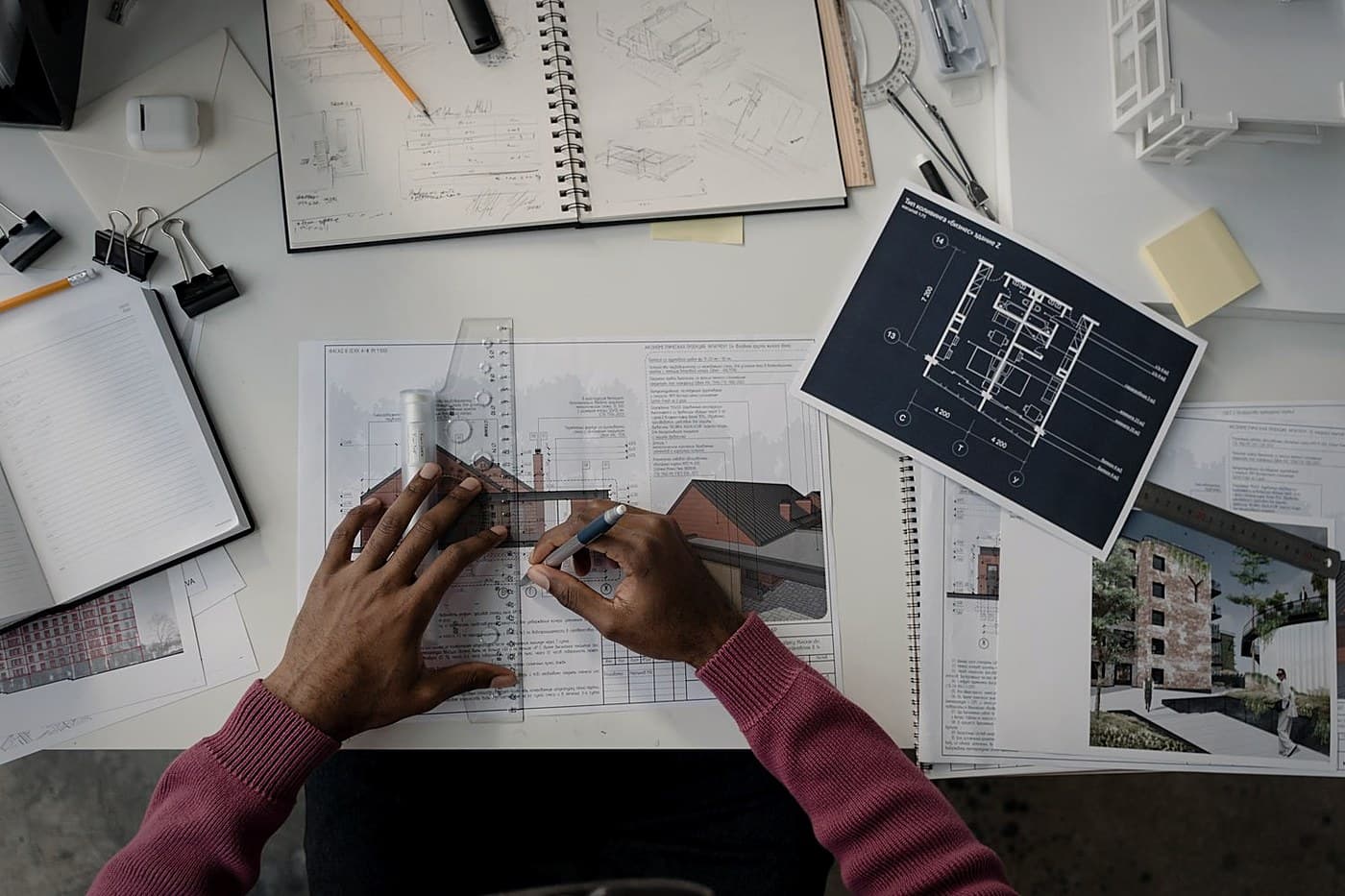
founders debating the meaning of work life balance

Rewriting the workday for work-life balance

Leaders don’t just build products or teams. They build patterns. The way you protect focus time, back up boundaries, and choose deep work over constant pings? That sets the tone. 

Here are a few strategies to rewrite your workday for the better:

Protect focus time like it’s revenue 

Set aside 90-minute to 2-hour blocks for uninterrupted work and treat them like meetings you can’t move. Turn off notifications, use a custom status, and make it visible on your calendar. This helps normalize deep work as a core part of your day, not something you squeeze in between calls.

Create a communication charter

A communication charter helps your team stay on the same page about when, where, and how to talk. Some people default to Slack, others live in their inbox. Without guidelines, it gets noisy, fast. Outline which tools to use for what, set boundaries (like no Slacks after 7 p.m.), and carve out meeting-free blocks everyone respects. Fewer distractions = more room to think.

Let AI reduce the mental load

Start treating AI like a reliable extra set of hands, not just a shortcut. Smart agents can monitor trends, flag potential risks, summarize research, and prep competitor snapshots without pulling you into the weeds. 

But remember, the goal isn’t speed for speed’s sake. It’s to clear the mental clutter to focus on high-value tasks that require your full focus, like strategy, hiring, or product decisions.

Rethink your organization chart

Traditional organization charts look tidy, but they rarely work that way. Content lives in marketing. Budget lives in finance. Data lives in analytics. Comms handles messaging. So when something changes (like pricing or positioning), you’re looking at days of meetings just to get everyone on the same page.

Instead of organizing around departments, try organizing around outcomes. Build lean, cross-functional teams that form around a goal, solve the problem, and move on. 

Make rest a ritual, not a reward

Rest isn’t weakness, it’s strategy. But too often, founders treat it like a personal indulgence instead of a cultural cue. If you’re answering Slack at midnight or skipping lunch every day, your team’s watching. And they’re taking notes. So if you want a team that lasts, show them how to log off.

Take your days off. Protect your focus hours. Normalize pausing before reacting. Because the only way to build something sustainable is to lead like you actually want it to last.

Your calendar isn’t a scoreboard

Every late-night ping, every back-to-back meeting sends a message: boundaries are bendable, and constant output matters more than clear thinking. 

But here’s the truth: the ideas that move your business forward rarely come from a 2 a.m. Slack or a third meeting on the same topic. They show up in the white space: on a walk, in the shower, or staring out a window. Your brain needs room to breathe. Make space for it.